
Advancing Cancer Treatments: Leveraging AI with Real-World Evidence

Leaders from Mayo Clinic, Cleveland Clinic and Moffitt Cancer Center discuss how artificial Intelligence (AI) and real-world evidence (RWE) are redefining what’s possible in oncology — accelerating early detection, powering more adaptive therapies and unlocking insights that change how cancer is diagnosed, monitored and treated.
Get the full perspective on how AI and RWE are reshaping oncology end to end — watch the full American Society of Clinical Oncology (ASCO) panel session now.
Key Takeaways
AI is transforming cancer detection and diagnosis by improving accuracy through advanced imaging models, molecular signal identification and real-world clinical integration.
Personalized treatment is accelerating with digital twins, predictive modeling, synthetic data and biomarker-driven insights that enable adaptive, real-time therapy decisions.
Drug development and ongoing cancer monitoring are evolving rapidly, with AI and RWE driving faster discovery, earlier risk detection, improved toxicity prediction and foundational shifts toward virtual patients and dynamic trial design.
Event Speakers

Alexander Anderson, PhD
Chair, Integrated Mathematical Oncology at Moffitt Cancer Center
“The real opportunity here is to think about the multiscale nature of patient data.... How do we integrate genomic information, phenotypic information, tissue imaging, blood biomarkers — all of it?”
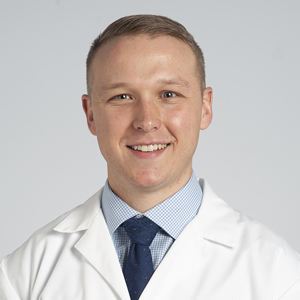
Tyler Alban, PhD
Director, Translational Correlative Sciences Program at Cleveland Clinic Center for Immunotherapy and Precision Immune-Oncology
“A lot of this comes down to making the data available. It's finding the right technology for the sample type and how the sample is stored, to make it useful.”

Vamsi Velcheti, MD, MBA, FASCO
Professor of Medicine, Chief of Hematology and Oncology, and Florida Department of Health Chair of Cancer Research at Mayo Clinic
“We can actually learn so much more - certain radiomic features could be used to better inform when the tumor is going to be progressing, or even, if patients are going to respond to a treatment.”
Please share your contact information to view the on-demand webinar.